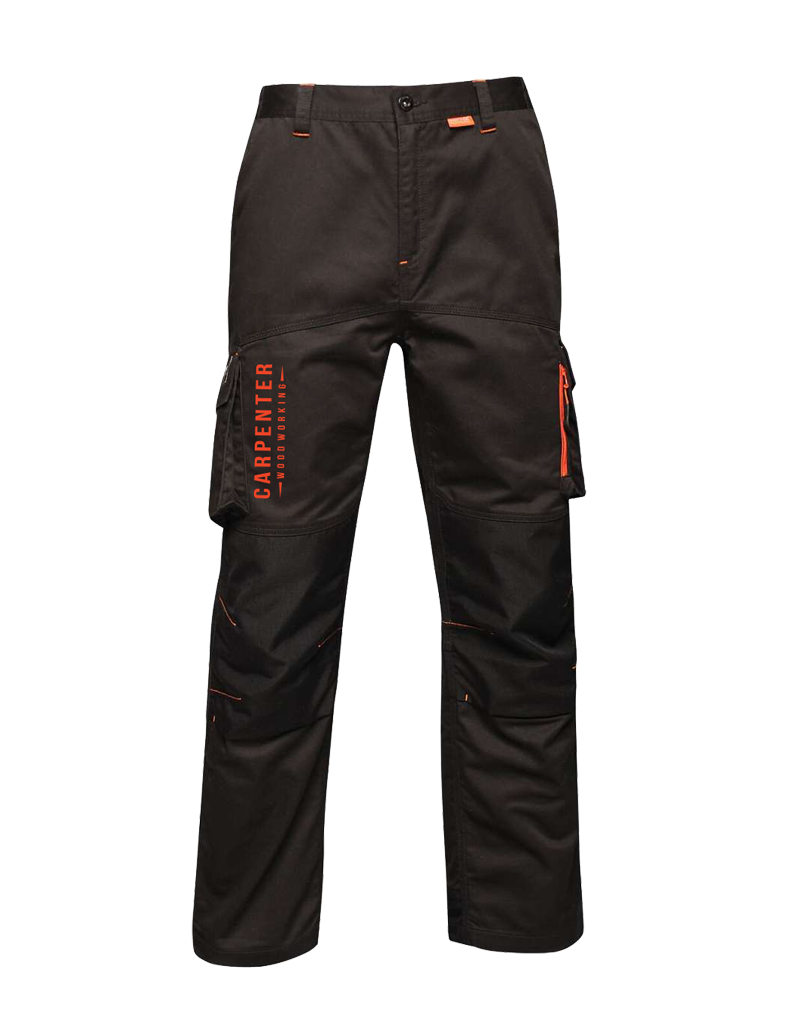
Transfers for Workwear & Jackets

Ensure your branding survives harsh environments and heavy industrial washing with our ultra-durable transfers for workwear and jackets.

Intensive Use Requires Premium Durability

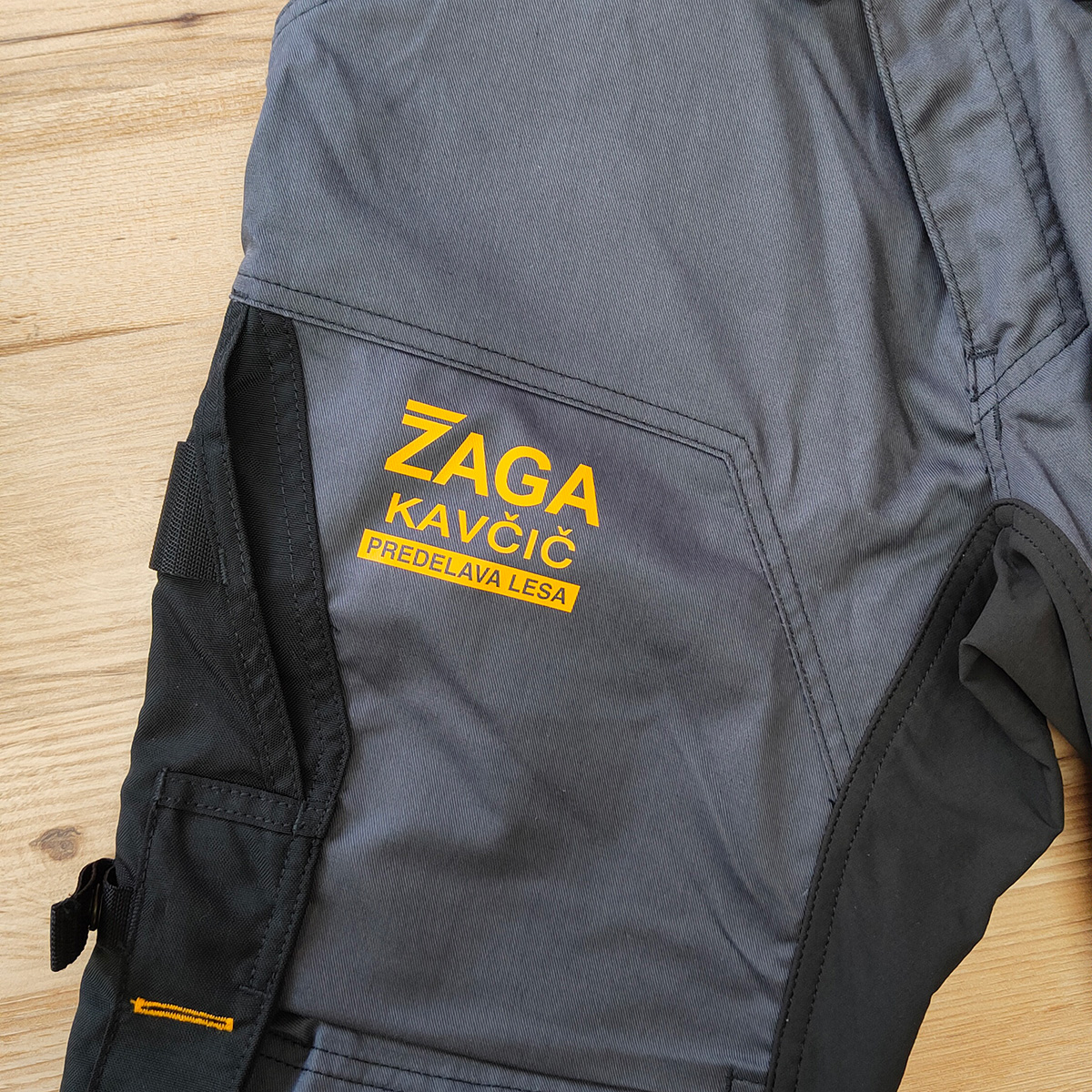
Workwear and jackets belong to the most heavily used textile products. Designed for daily wear in demanding environments, they must be highly durable – and the same applies to the print. Workwear is regularly worn, washed, and exposed to various weather and mechanical influences. Standard solutions are often insufficient, as prints may fade, crack, or peel. We therefore use technologies that ensure high resistance to washing, abrasion, and everyday stress.

Transfers Adapted to Work Materials

We offer transfers specially developed for printing on:

  • work jackets
  • protective clothing
  • industrial uniforms
  • promotional workwear

Each material requires a customized combination of temperature, pressure, inks, and adhesives to achieve optimal adhesion and long-term durability.

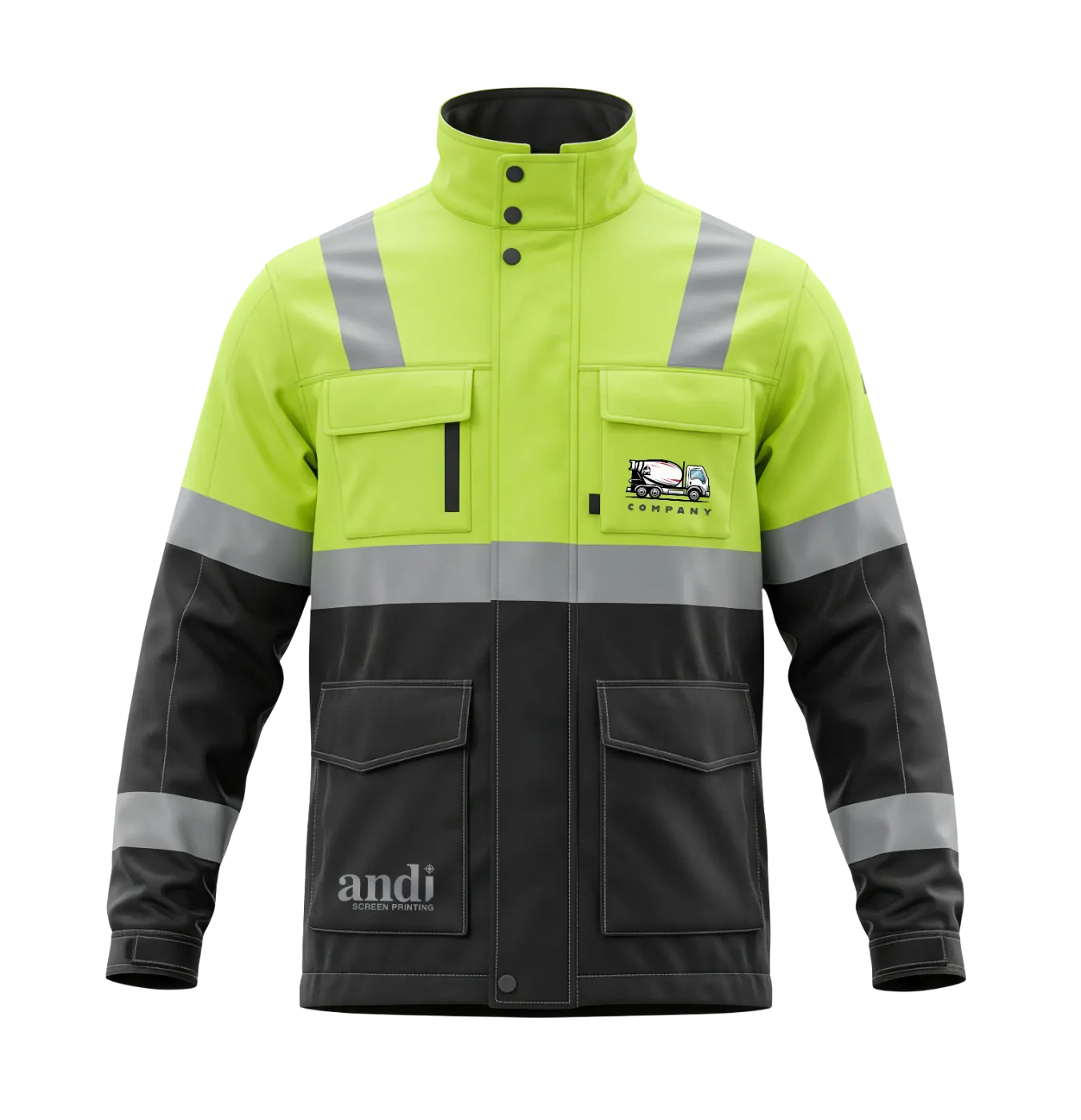
Check out our workGet Expert Recommendation

Check out our work

The Right Choice of Inks and Adhesives

The key to a lasting result lies in selecting the right inks and adhesive systems. By using high-quality components, we ensure:

  • strong adhesion to demanding materials
  • resistance to frequent washing
  • retention of color intensity
  • a professional appearance throughout the garment’s lifetime

We do not compromise on quality, as workwear represents a company’s image.

A Reliable Partner for Long-Term Solutions

Our goal is not only to create a good first impression but to ensure long-term functionality. We advise customers in selecting the most suitable solution based on fabric type, usage, and washing conditions. The result is transfers that withstand demanding work environments and maintain a professional look even after numerous washes.

Get Expert Recommendation

Technical Support & Consultation

Choosing the right heat transfer solution depends on the material, production process, and desired finish. Our team provides expert technical guidance to help you select the most suitable transfer technology for your application.

Frequently Asked Questions

We recommend our industrial-grade heat transfers, designed specifically to bond with heavy canvas, denim, and treated workwear fabrics.

Workwear and jackets are exposed to demanding conditions such as frequent washing, mechanical stress, and varying weather conditions. Therefore, the transfers used for printing must be highly durable and resistant to wear.

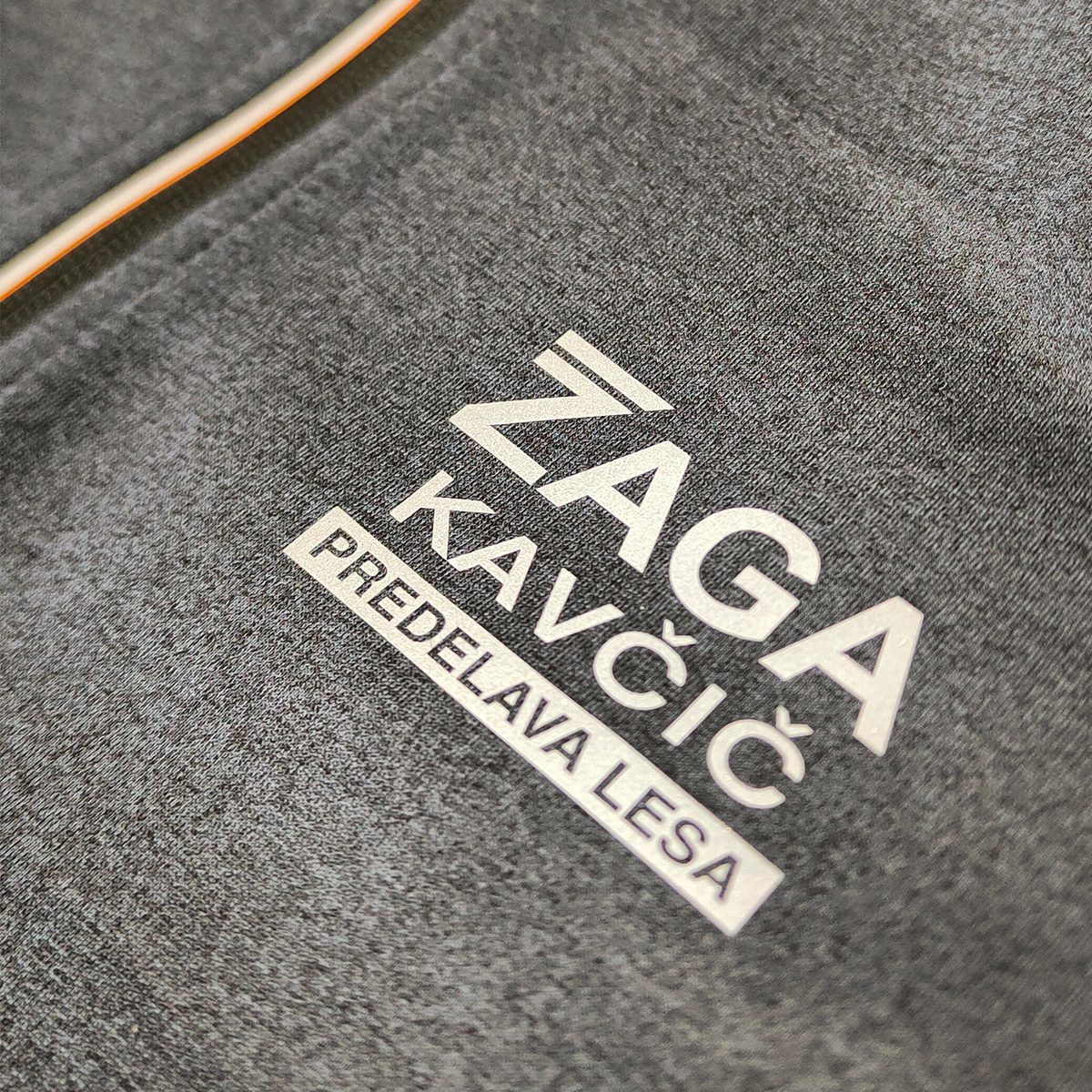
Yes, we provide high-visibility reflective transfers that meet safety standards, ideal for construction and emergency workwear.

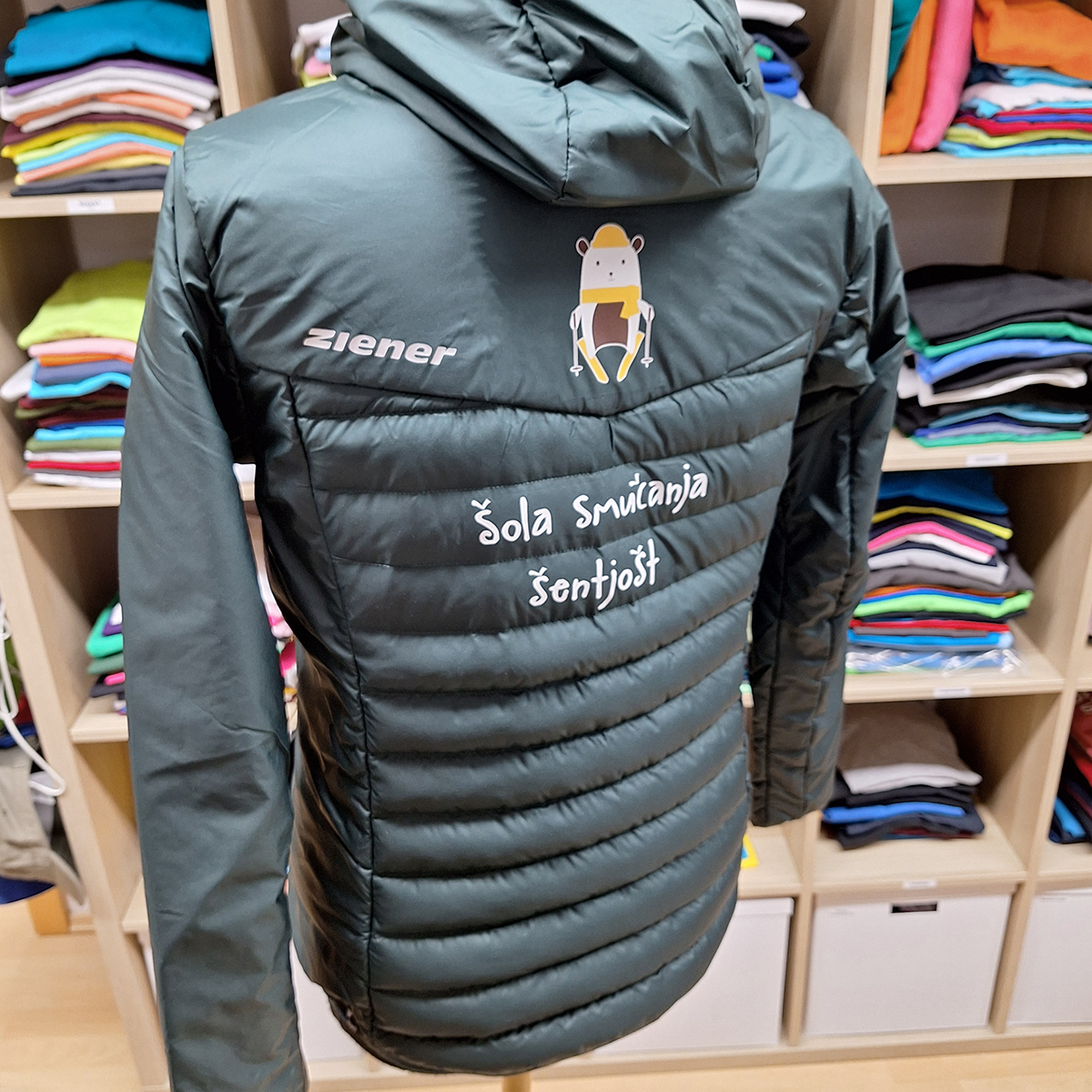
Yes, our transfers adhere perfectly to heavy jackets, though you may need a specialized heat press platen to navigate around zippers and thick seams.

High pressure and a slightly longer pressing time ensure the adhesive melts deeply into the textured weave of heavy canvas.

Yes, but you must use our specially formulated transfers, as standard adhesives will not bond to water-repellent coatings. We recommend a test print first.

Nylon is heat-sensitive, so we recommend using our low-temperature transfers applied between 120°C and 130°C. We recommend a test print first.

Yes, because embroidery punctures the fabric and ruins the waterproof seal, whereas heat transfers maintain the garment’s waterproof integrity.

Absolutely. Our digital hybrid transfers can reproduce intricate, multi-colored corporate logos with crisp, readable text.

Our premium industrial transfers offer excellent resistance to standard mechanical oils and mild chemicals encountered in heavy industries.

Use a heat press pillow or a smaller interchangeable platen to elevate the print area, ensuring the seams do not prevent the press from applying even pressure.

Yes. We advise customers on the most suitable solution based on the fabric type, usage conditions, and washing requirements to ensure the best possible results.

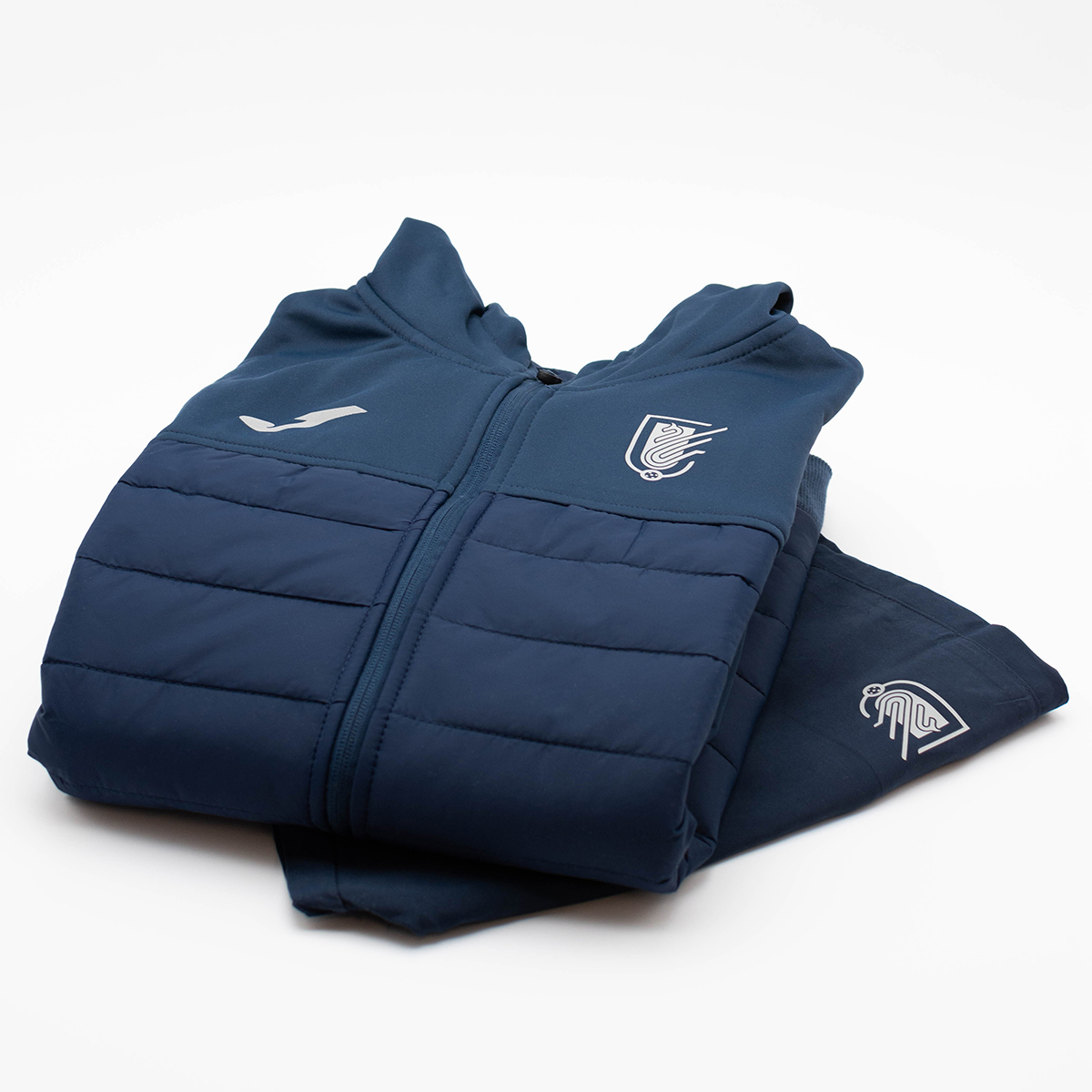
Our transfers are suitable for a wide range of work-related textiles, including work jackets, protective clothing, industrial uniforms, and promotional workwear.

Traditional embroidery involves thousands of needle punctures that destroy the waterproof membrane of a jacket. Heat transfers bond to the surface without compromising the garment’s protective barrier.

To achieve even pressure over zippers, place a heat-resistant pressing pillow inside the jacket or use a raised platen insert. This isolates the print area, ensuring the heating element makes flat, firm contact strictly with the transfer.

Want to get started? Click here to book a meeting.

Say hello
Let's talk
Start today
Call us
Make something awesome
Cool shirt